
Does tVNS Increase HRV?
Does transcutaneous vagus nerve stimulation actually lead to parasympathetic activation?

It is believed that transcutaneous auricular (on the ear) vagus nerve stimulation (taVNS) increases parasympathetic regulation of the heart rate while reducing the sympathetic activity. This effect was clearly established in the studies from 2014 and 2017. Recently, researchers from Indiana University, USA, decided to test whether the effect would increase if taVNS lasted longer. They obtained an unexpected result that contributes to important adjustments to our understanding of taVNS.
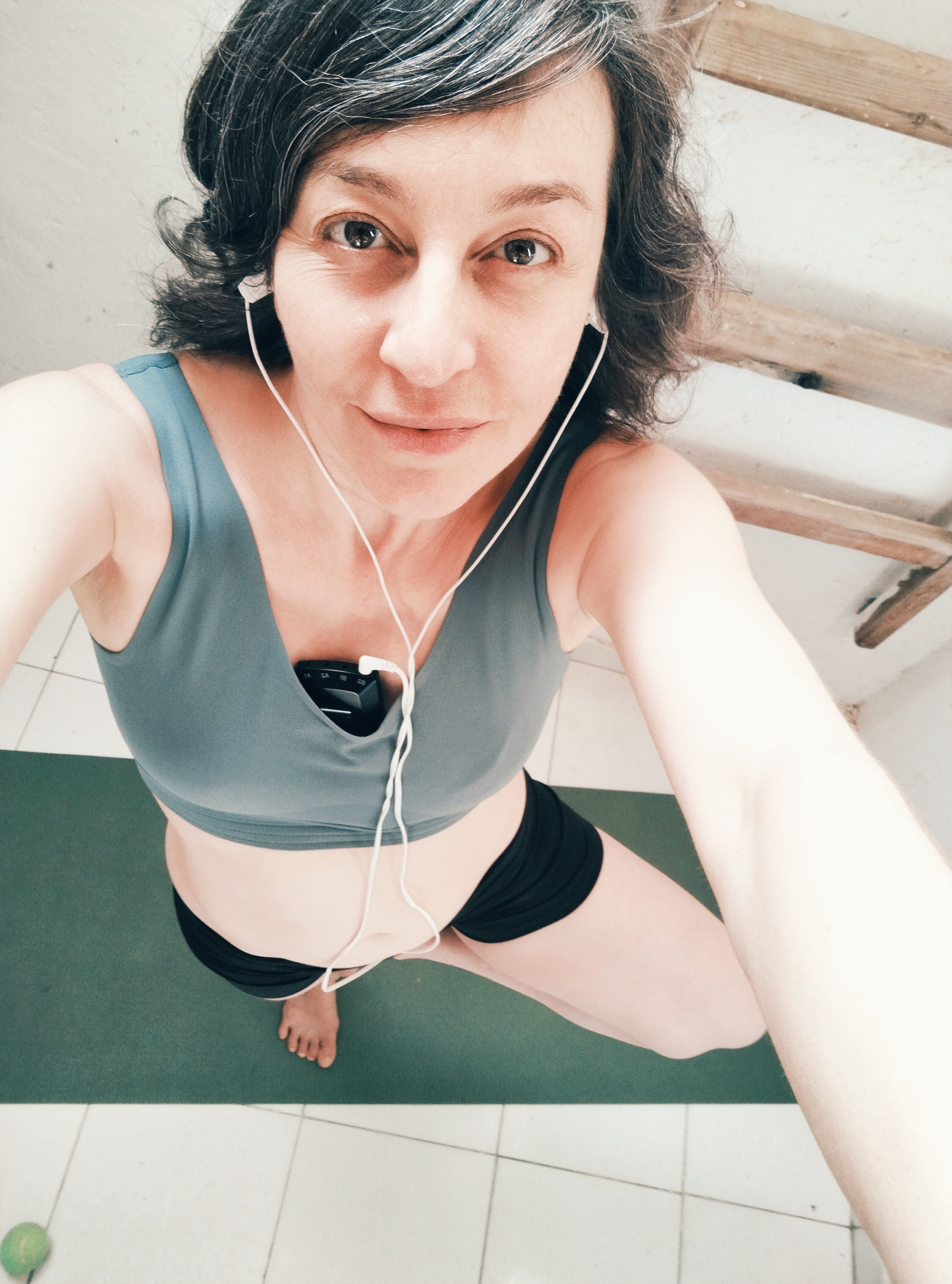
A 2026 study failed to detect an increase in parasympathetic regulation or a decrease in sympathetic nervous system activity. These effects are typically assessed by measuring heart rate variability (HRV). HRV indicates how flexibly the heart adjusts its rhythm to adapt to changing life conditions. Healthy individuals exhibit higher resting HRV, whereas those in poorer physical condition show lower values.
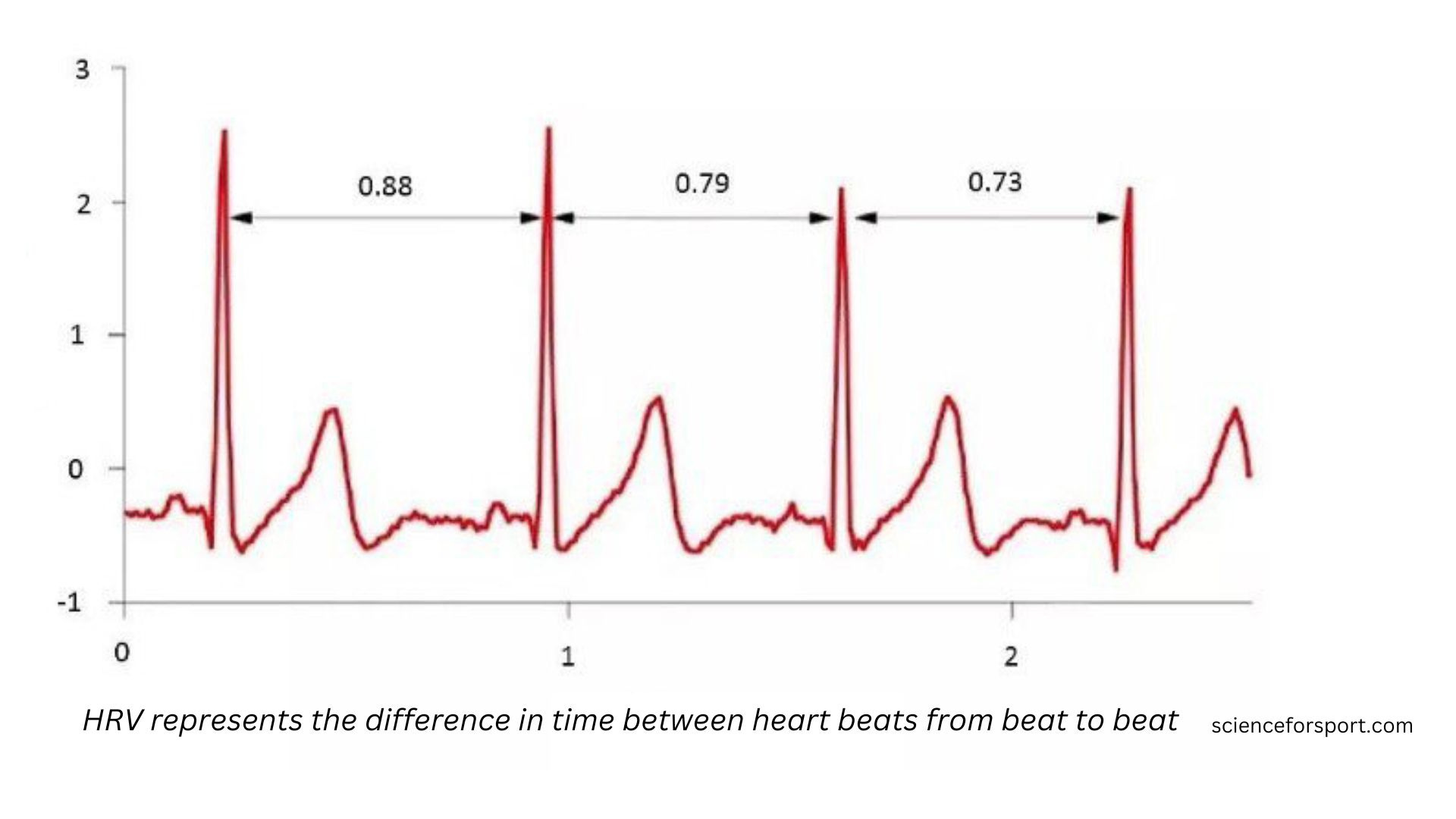
An increase in HRV is actually used to confirm parasympathetic activation via the vagus nerve, reflecting its downregulating impact on the body.
Does this imply that taVNS fails to engage the vagus nerve? Yet, several prior studies observed a distinct rise in HRV following a single stimulation session.
The Indiana University team replicated the exact stimulation parameters of two previous experiments that had demonstrated an HRV increase: the same frequency, intensity and bilateral stimulation of the cymba conchae (the hollow of the outer ear). The only modification was extending the session to 30 minutes instead of 15, doubling the duration. HRV was measured at the end of this half-hour session. The researchers found no significant changes, either compared to baseline values or relative to the control group.
Does Stimulation Duration Matter?
One might be tempted to conclude that a 15-minute session is superior to a 30-minute session, but this specific comparison was not conducted in the new study. Physiological metrics were not recorded 15 minutes into stimulation; data was gathered only before and at the end of the session.
That said, the influence of short (10-minute) versus prolonged (60-minute) taVNS was previously evaluated back in 2016. That study did find an increase in HRV during both the brief and extended sessions, particularly when stimulating the right ear. Interestingly, increasing the duration significantly amplified the effect only in women, but not in men.
However, similar results showing a lack of impact from taVNS on HRV had already been obtained – in 2017 and again in 2026. Such results are not uncommon.
Perhaps it is not about the stimulation duration at all, but about the people participating in the experiments?
Age
The recent Indiana study evaluated young participants with an average age of 21. Resting HRV is normally higher in young people than in older adults. Meanwhile, in the two experiments whose results they attempted to replicate, the participants were around 35 years old.
There was another study, published in 2019, which tested the effects of taVNS on people aged 55 and above, and found significant parasympathetic activation – both after a single session and after two weeks of regular use. Notably, the researchers observed then that the increase in HRV was most pronounced in individuals with initially high resting sympathetic activity.
Furthermore, the influence of age on the stimulation effect was tested in 2024, comparing young and elderly individuals. They found some increase in HRV even in the young, but it was far more pronounced in the elderly. This is attributed to the fact that the older age group initially has lower HRV that reflects a lower cardiovascular shape and autonomic regulation.
The State of the Body Prior to Stimulation
Could the effect of taVNS on parasympathetic and sympathetic activity depend on the state of the person’s body prior to the session?
This was also recently studied. Turkish scientists published a paper in 2026, confirming that individuals with low parasympathetic or high sympathetic tone may respond more strongly to taVNS.
A similar correlation was demonstrated by Chinese researchers in 2022. They actually found some increase in parasympathetic activity across all young, healthy participants. Nevertheless, in those who had high sympathetic activation before stimulation, it led to a more pronounced increase in HRV.
taVNS Does Not Necessarily Lead to HRV Increase
A comprehensive meta-analysis published in 2021 confirmed that HRV as an indicator of parasympathetic activation does not consistently increase across studies.
In 2023, other researchers analysed the literature and also obtained mixed results. They also traced the dependency of the HRV increase on its baseline value: it increased more in those who initially showed sympathetic activation.
The authors of these reviews concluded that HRV is not a reliable marker of the impact of taVNS. That is, stimulation may have virtually no effect on the heart and parasympathetic activation, yet still affect the brain.
taVNS Can Affect the Brain Without Affecting the Heart
Electrical stimulation of the auricular branch of the vagus nerve targets sensory fibres that carry signals upward from the ear to the brainstem. After processing these signals, the brain sends descending commands to the heart to alter its rhythm. taVNS affects self-regulation at the brain level rather than directly changing the heart beat.
The impact of taVNS on the brain is not limited to self-regulation and relaxation through affecting physiological regulation circuits. It increases neuroplasticity (the nervous system’s capacity to adapt and learn), strengthens top-down executive control in higher brain regions, regulates areas processing bodily signals and emotions and inhibits anxiety and stress circuits.
By the way, the relationship between taVNS effectiveness and the baseline HRV level was noted in an interesting study from 2024. The researchers wanted to test how taVNS helps healthy people and people with depression cope with stress. They deliberately stressed the participants and measured how much their parasympathetic regulation dropped due to stress. The test showed no particular difference between the healthy and depressed groups.
Then, the researchers divided their participants using a different principle. Both groups included individuals with and without depression. However, one group consisted of those with high baseline HRV, and the other included those with low baseline HRV. It was then that this relationship emerged: whether individuals had depression or not, taVNS helped them cope with stress better if they initially had low HRV, representing a state of higher sympathetic activity.
The Takeaway and Why It Matters
taVNS does not automatically trigger a shift toward parasympathetic dominance that can be captured via HRV metrics. This applies particularly if we are already in a balanced state. However, when sympathetic activity is elevated and parasympathetic activity is reduced, taVNS will exert a significant regulatory effect.
In short, if your HRV is low, stimulation brings it up; if it is already high, it does not.
Why is understanding this important?
Many people trying taVNS will attempt to judge its effectiveness by measuring HRV on a fitness tracker. Seeing no significant increase, a person might think they are receiving no effect. In reality, taVNS probably had an effect on the brain, but not on the heart.
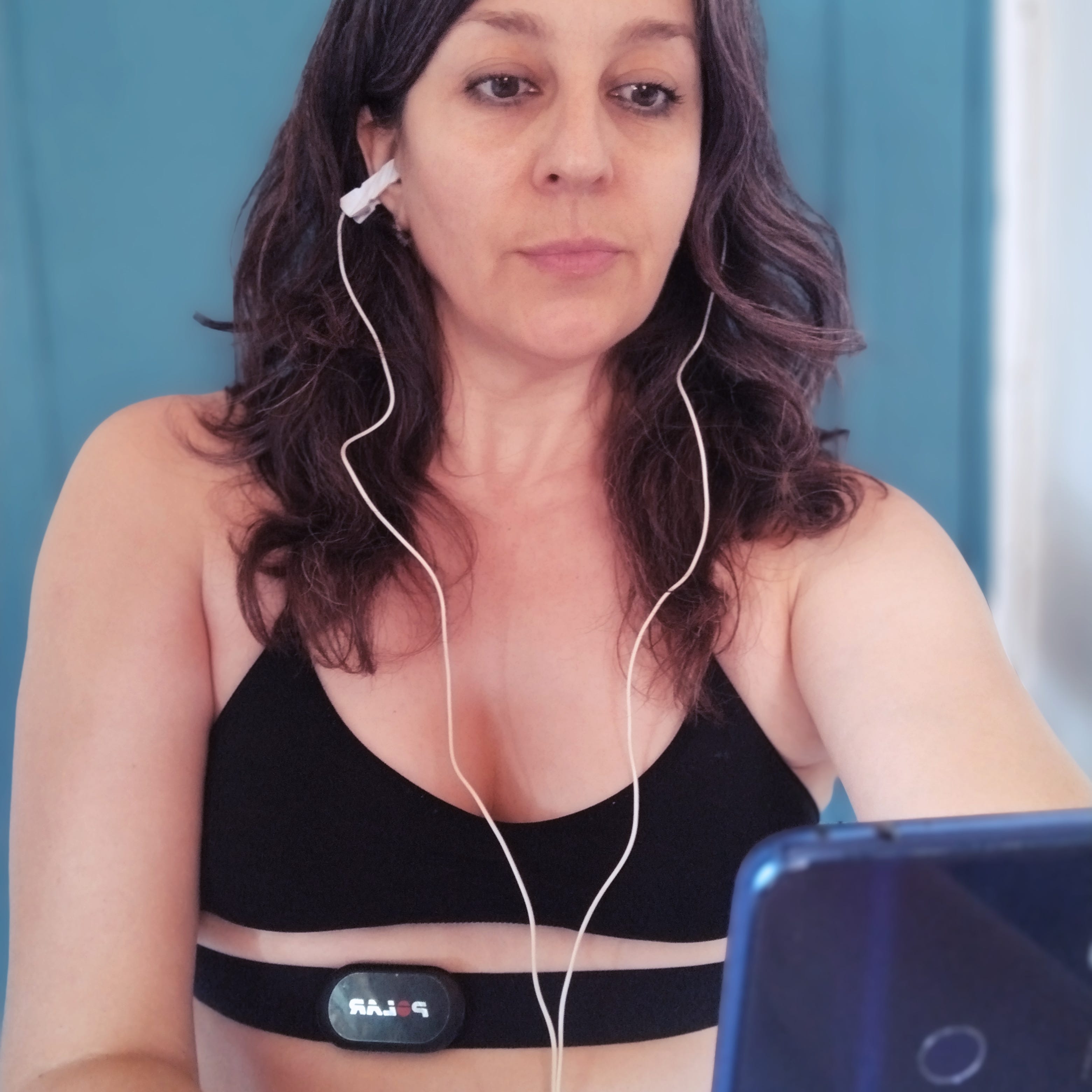
This issue may be particularly important for athletes and biohackers who aim to increase their HRV, understanding that it reflects physical fitness. HRV is often measured as an indicator of recovery after training: a sufficiently high value signals that it is time to train again. If HRV is reduced, this is precisely when taVNS will help raise it, restoring autonomic balance. This points towards accelerated recovery, which currently stands as one of the most investigated taVNS effects in sports.
My Experience
At the same time, taVNS will not help “break through the ceiling” when we are already in good shape. It seems I encountered exactly this situation when a fellow freediver and I decided to measure her HRV during and after her first stimulation session. We obtained her usual relaxation values. She was disappointed.
Later, an opportunity arose to measure HRV in two other freedivers, and both showed a significant increase. These, by the way, were fatigued freedivers. Meanwhile, the first one, who showed no change, was in good shape after her days off.
This completely aligns with my experience introducing taVNS to different groups of people, not just athletes. I noticed that people in distress or poor health, fatigued or tense, tend to be quite impressed by the effect of stimulation. They report relaxation, freshness, pain relief and a surge of energy. Those who feel well say they simply relaxed, nothing special. Admittedly, there were times when even young, healthy, well-rested people noticed the regulatory effect of stimulation on emotions, reporting a sense of contentment, “sufficiency” and emotional stability.
My deep dive into this data was originally prompted by the freediving community. While preparing my lecture “Vagus Nerve Stimulation for Freedivers,” I came across data explaining why taVNS doesn’t necessarily increase HRV across the board.
Freedivers are interested in high HRV levels, as it indicates overall body recovery, the absence of overtraining and readiness to dive effectively. Resting HRV parameters are linked to high vagus nerve tone, which slows the heart rate, aids psychophysiological self-regulation and promotes relaxation. Incidentally, muscle relaxation and improved flexibility are proven effects of taVNS.
An important point! This article addressed the immediate impact of a single taVNS session. With regular use, cumulative effects may differ significantly.
Ultimately, we better not hyper-focus on immediate HRV changes, even athletes. For instance, a 2025 study evaluating healthy volunteers over a week of daily taVNS found no massive shifts in resting HRV, yet documented a statistically significant increase in exercise capacity.
About the Author
My name is Elena Petrushina, I am an educational psychologist and a freediving instructor. I conduct educational events on vagus nerve stimulation, both in person and online.
Reviewing the literature for this article has substantially expanded my own understanding of this method. I welcome opportunities to collaborate with organisations interested in developing specialised lectures or educational content, whether focused on freediving or general autonomic regulation.
References
Valtadoros, Lydia & Murvich, Anna & Bigalke, Jeremy & Carter, Jason. (2026). Transcutaneous Auricular Vagus Nerve Stimulation and Human Autonomic Function. Physiology. 41. 10.1152/physiol.2026.41.S1.2291762.
Borges U, Laborde S, Raab M. Influence of transcutaneous vagus nerve stimulation on cardiac vagal activity: Not different from sham stimulation and no effect of stimulation intensity. PLoS One. 2019 Oct 11;14(10):e0223848. doi: 10.1371/journal.pone.0223848. PMID: 31603939; PMCID: PMC6788680.
Ryan, Caleb & Miller, Spencer & Gorini Pereira, Felipe & Picking, Haley & Johnson, Blair. (2026). The Acute Effects of Transcutaneous Vagal Nerve Stimulation on Autonomic Activity. Brain Stimulation. 19. 103075. 10.1016/j.brs.2026.103075.
Antonino D, Teixeira AL, Maia-Lopes PM, Souza MC, Sabino-Carvalho JL, Murray AR, Deuchars J, Vianna LC. Non-invasive vagus nerve stimulation acutely improves spontaneous cardiac baroreflex sensitivity in healthy young men: A randomized placebo-controlled trial. Brain Stimul. 2017 Sep-Oct;10(5):875-881. doi: 10.1016/j.brs.2017.05.006. Epub 2017 May 19. PMID: 28566194.
Clancy, J. A., Mary, D. A., Witte, K. K., Greenwood, J. P., Deuchars, S. A., & Deuchars, J. (2014). Non-invasive Vagus Nerve Stimulation in Healthy Humans Reduces Sympathetic Nerve Activity. Brain Stimulation, 7(6), 871-877. https://doi.org/10.1016/j.brs.2014.07.031
Bretherton B, Atkinson L, Murray A, Clancy J, Deuchars S, Deuchars J. Effects of transcutaneous vagus nerve stimulation in individuals aged 55 years or above: potential benefits of daily stimulation. Aging (Albany NY). 2019 Jul 30;11(14):4836-4857. doi: 10.18632/aging.102074. PMID: 31358702; PMCID: PMC6682519.
Gianlorenço AC, Pacheco-Barrios K, Daibes M, Camargo L, Choi H, Song JJ, Fregni F. Age as an Effect Modifier of the Effects of Transcutaneous Auricular Vagus Nerve Stimulation (taVNS) on Heart Rate Variability in Healthy Subjects. J Clin Med. 2024 Jul 22;13(14):4267. doi: 10.3390/jcm13144267. PMID: 39064307; PMCID: PMC11278058.
De Couck M, Cserjesi R, Caers R, Zijlstra WP, Widjaja D, Wolf N, Luminet O, Ellrich J, Gidron Y. Effects of short and prolonged transcutaneous vagus nerve stimulation on heart rate variability in healthy subjects. Auton Neurosci. 2017 Mar;203:88-96. doi: 10.1016/j.autneu.2016.11.003. Epub 2016 Nov 30. PMID: 28017263.
Percin, A., Ozden, A. V., Yenisehir, S., Pehlivanoglu, B. E., & Cihad Yılmaz, R. (2026). Does Baseline Autonomic Nervous System Activity Affect the Outcomes of Transcutaneous Auricular Vagus Nerve Stimulation? Archives of Medical Research, 57(3), 103324. https://doi.org/10.1016/j.arcmed.2025.103324
Wolf, V., Kühnel, A., Teckentrup, V., Koenig, J., & Kroemer, N. B. (2021). Does transcutaneous auricular vagus nerve stimulation affect vagally mediated heart rate variability? A living and interactive Bayesian meta-analysis. Psychophysiology, 58(11), e13933. https://doi.org/10.1111/psyp.13933
Soltani, D., Azizi, B., Sima, S. et al. A systematic review of the effects of transcutaneous auricular vagus nerve stimulation on baroreflex sensitivity and heart rate variability in healthy subjects. Clin Auton Res 33, 165–189 (2023). https://doi.org/10.1007/s10286-023-00938-w
Edwin Tharanajah, Sharmili & Schiweck, Carmen & Aichholzer, Mareike & Brandt, Emily & Qubad, Mishal & Uckermark, Carmen & Schneider, Moritz & Meyer, Konrad & Hamzehloiya, Tirage & Jacobsen, Leona & Amaral, Kevin & Auer, Joyce & Bruno, Gianluca & Zhao, Tong & Bouzouina, Aicha & Schillo, Susanne & Hanssen, Ruth & Repple, Jonathan & Reif, Andreas. (2024). The Heart Knows Best: Baseline Cardiac Parasympathetic Activity as Guide to Transcutaneous Auricular Vagus Nerve Stimulation in Depression. 10.21203/rs.3.rs-5366818/v1.
Atanackov, P., Peterlin, J., Derlink, M., Kovačič, U., Kejžar, N., & Bajrović, F. F. (2025). The Acute Effects of Varying Frequency and Pulse Width of Transcutaneous Auricular Vagus Nerve Stimulation on Heart Rate Variability in Healthy Adults: A Randomized Crossover Controlled Trial. Biomedicines, 13(3), 700. https://doi.org/10.3390/biomedicines13030700
Rajiah, R., Takahashi, K., Aziz, Q., & Ruffle, J. K. (2024). Brain effect of transcutaneous vagal nerve stimulation: A meta-analysis of neuroimaging evidence. Neurogastroenterology & Motility, 36(8), e14484. https://doi.org/10.1111/nmo.14484
Ackland, G. L., Patel, A. B., Miller, S., Thirugnanasambanthar, J., Ravindran, J. I., Schroth, J., Boot, J., Caton, L., Mein, C. A., Abbott, T. E., & Gourine, A. V. (2025). Non-invasive vagus nerve stimulation and exercise capacity in healthy volunteers: A randomized trial. European Heart Journal, 46(17), 1634-1644. https://doi.org/10.1093/eurheartj/ehaf037
Ertürk, Ç., & Özden, A. V. (2025). Comparison of the Acute Effects of Auricular Vagus Nerve Stimulation and Deep Breathing Exercise on the Autonomic Nervous System Activity and Biomechanical Properties of the Muscle in Healthy People. Journal of Clinical Medicine, 14(4). https://doi.org/10.3390/jcm14041046